May 12, 2022 is the 14th National Disaster Prevention and Reduction Day in China, with the theme of "Reducing Disaster Risks and Guarding a Beautiful Home"
frequent earthquakes
The average annual number of earthquakes worldwide
Grade 8 or above, 1-2 times a year
Level 7 10-20 times a year
Grade 6: 100-200 times per year
Level 5: 1000-2000 times per year
On average, there are about 5 million earthquakes worldwide each year, of which 50000 can be felt by people.
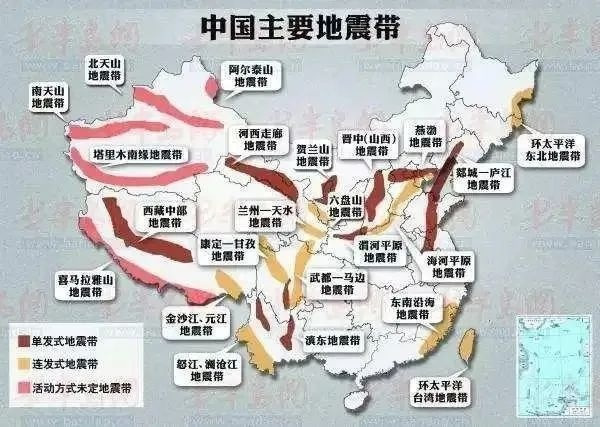
Earthquake distribution
China's seismic activity has a wide distribution range, high frequency, high intensity, and shallow epicenter. Almost all provinces, autonomous regions, and municipalities directly under the central government have experienced strong earthquakes of magnitude 6 or above. Since the 20th century, China has accounted for about 35% of the world's strong earthquakes of magnitude 7 or above; There were three huge earthquakes with magnitude above 8.5 in the world, two of which occurred in Chinese Mainland. Since the founding of the People's Republic of China on October 1, 1949, there have been three earthquakes of magnitude 8 or above in the country; In Chinese Mainland, there were 35 earthquakes with magnitude above 7 and 194 earthquakes with magnitude above 6.
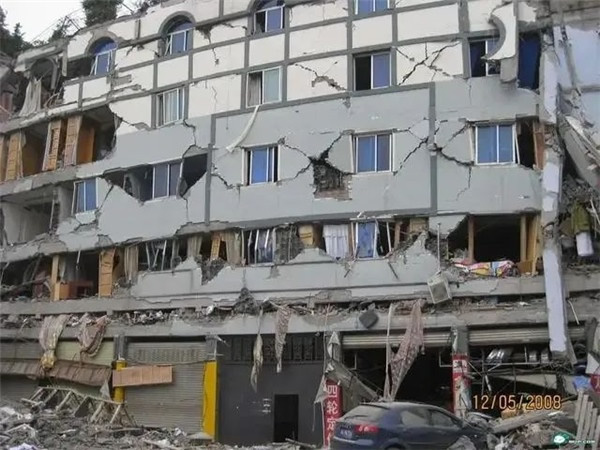
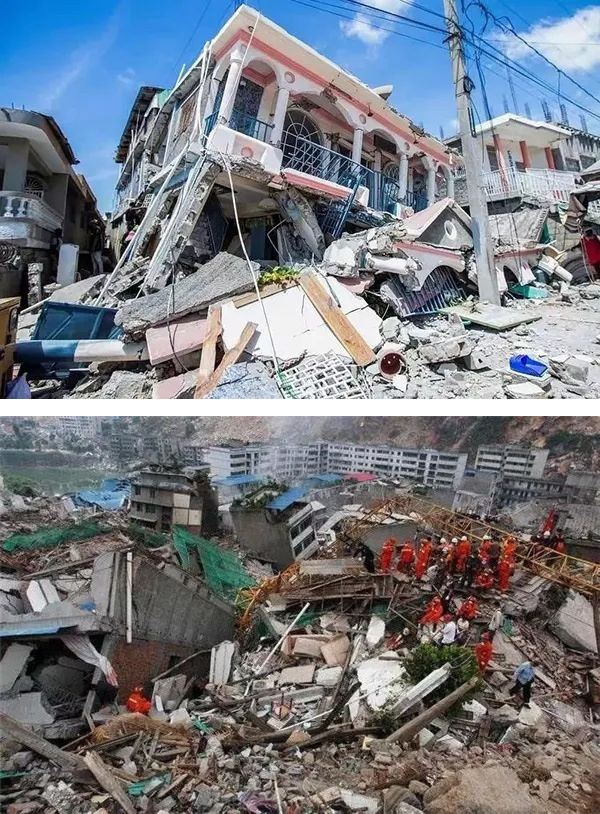
Whenever an earthquake strikes, houses collapse instantly and cities become ruins; Even worse, landslides and landslides directly affect the human living environment. In addition, earthquakes can cause unexpected secondary damage, endangering the safety of life and property, and earthquake prevention and disaster reduction are urgent.
The Origin of National Disaster Prevention and Reduction Day
At 14:28 on May 12, 2008, a shocking magnitude 8 earthquake occurred in Wenchuan, Sichuan Province, China. 69227 people died, 374643 were injured, 17923 are missing, and the direct economic losses amounted to 845.1 billion yuan. The 5.12 Wenchuan earthquake was the most destructive, wide-ranging, devastating, and difficult to rescue earthquake since the founding of the People's Republic of China.
On March 2, 2009, with the approval of the State Council of the People's Republic of China, May 12 has been designated as the National Day for Disaster Prevention and Reduction since 2009. On the one hand, it conforms to the demands of various sectors of society for disaster prevention and reduction in China, and on the other hand, it reminds the people not to forget the lessons of the past and the future, to pay more attention to disaster prevention and reduction, and to strive to reduce disaster losses.
Why use seismic braces
1. Reduce the occurrence of secondary disasters caused by earthquakes
The damage of building mechanical and electrical equipment (fire pipes, sprinkler systems, smoke exhaust systems, electrical systems, etc.) during earthquakes can directly lead to the failure of fire protection functions, causing fires, thick smoke, and other disasters, greatly increasing the number of casualties, even exceeding the number of casualties caused by direct disasters such as building collapses.
2. Effectively protect the electromechanical system during earthquakes to ensure rapid recovery of working conditions after the earthquake.
In 2015, the Ministry of Housing and Urban Rural Development issued and implemented the national standard GB50981-2014 "Code for Seismic Design of Building Mechanical and Electrical Engineering", which clearly stated that "building mechanical and electrical engineering in areas with seismic fortification intensity of 6 degrees or above must undergo seismic design". This standard has been implemented since August 1, 2015, which means that building mechanical and electrical engineering after this date must consider the application and design of seismic supports.
In China, the earthquake resistance and seismic resistance of buildings and their ancillary structures are urgent, and the understanding of building electromechanical seismic design needs to be rapidly improved. This plays an extremely important role and significance in the earthquake resistance and disaster reduction of buildings.
Himoer seismic bracket
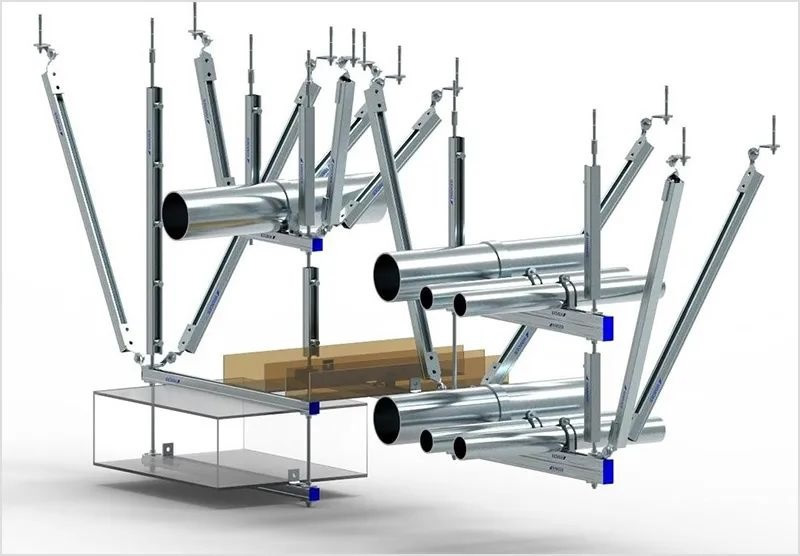
According to GB 50981-2014 "Code for Seismic Design of Building Mechanical and Electrical Engineering", the definition of seismic supports and hangers is: seismic support facilities that are firmly connected to the building structure and mainly loaded with seismic forces. It is composed of anchor body, reinforced suspender, anti-seismic connecting member and anti-seismic slant support.
According to the Building Law of the People's Republic of China and the Earthquake Prevention and Disaster Reduction Law of the People's Republic of China, the policy of "prevention first" is implemented. After seismic reinforcement, the building's mechanical and electrical engineering facilities such as water supply and drainage, fire protection, heating, ventilation, air conditioning, gas, heat, electricity, and communication can reduce earthquake damage, minimize and prevent secondary disasters as much as possible when encountering earthquakes with local seismic fortification intensity, thereby achieving the goal of reducing casualties and property losses.
Seismic supports are various components or devices that limit the displacement of ancillary mechanical and electrical engineering facilities, control facility vibration, and transfer loads to the load-bearing structure. Seismic supports should provide reliable protection for building mechanical and electrical engineering facilities during earthquakes and withstand seismic effects from any horizontal direction; Seismic supports should be verified based on the load they bear; All components that make up the seismic support should be finished components, and the components that connect the fasteners should be easy to install; The seismic support limit of the insulated pipeline should be designed according to the size of the pipeline after insulation, and should not limit the displacement caused by thermal expansion and contraction of the pipeline.
Application of Himoer Seismic Support
Common seismic supports are used in fields such as water pipe trays, cable trays, and air duct trays.
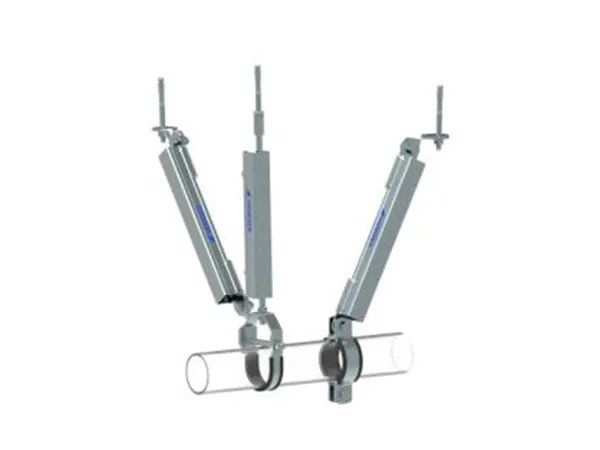
Single water pipe lateral+longitudinal seismic support bracket
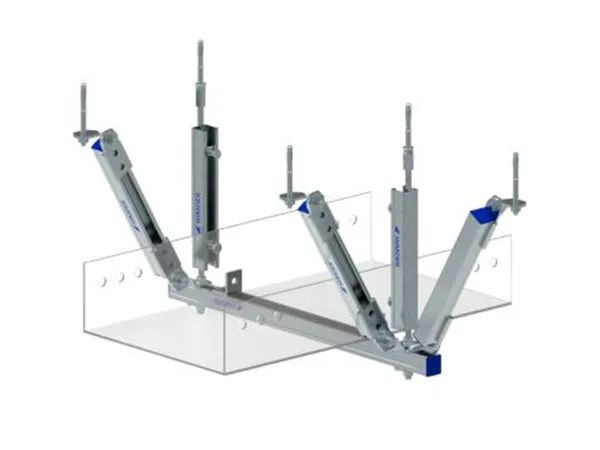
Cable tray lateral+longitudinal seismic support
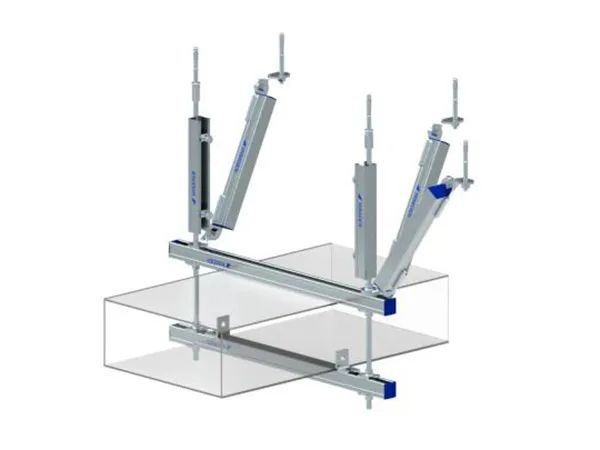
Lateral and longitudinal seismic supports for air ducts